Specialized Biohazard Remediation in Waverly
Waverly, MO Biological Remediation Specialists
Severe hoarding situations conceal dangerous layers of animal waste, decaying organic matter, and concentrated mold spores. Breathing in this toxic dust during a chaotic cleanout can trigger extreme respiratory distress for Waverly residents.
Rapid response is critical across Waverly to prevent dangerous pathogens from penetrating deeply into structural subflooring during severe emergencies. Before touching any hazardous waste, our crew maps out a safe extraction route to prevent cross-contamination. We shovel the compacted debris into rigid transport bins rather than dragging it across clean floors.
We deploy discrete field teams across Waverly, Lafayette County, and surrounding Missouri areas to restore your peace of mind.
Blood & Trauma
Complete extraction of bodily fluids and crime scene remediation in Waverly.
Hoarding & Odors
Disposal of extreme accumulation and molecular odor neutralization.
Trusted Bio Hazard Removal Across Waverly
Raw sewage backups introduce aggressive gastrointestinal bacteria and viruses directly into your living space. Moisture creeps up behind walls through capillary action, turning hidden dust into dangerous black mold colonies within forty-eight hours. Extracting the standing sludge is barely half the battle; we systematically cut away the infected drywall and sanitize the exposed studs to stop pathogen growth throughout your Waverly property.
Filing an insurance claim for biohazard remediation involves navigating complex policy clauses regarding sudden and accidental damage. Adjusters routinely push back if the destruction of property isn't meticulously photographed and scientifically justified. We document every inch of the affected materials, measure the contamination spread, and submit a detailed technical breakdown directly to your carrier to streamline the financial recovery.
Service Zip Codes in Waverly
Frequently Asked Questions About Bio Hazard Removal in Waverly, MO
Isolate the affected room immediately by closing all doors and keeping pets far away from the area. Avoid touching any fluids, stepping in the spill, or attempting to blot the stain with towels. Do not run the HVAC system, as this circulates potentially infectious airborne particles.
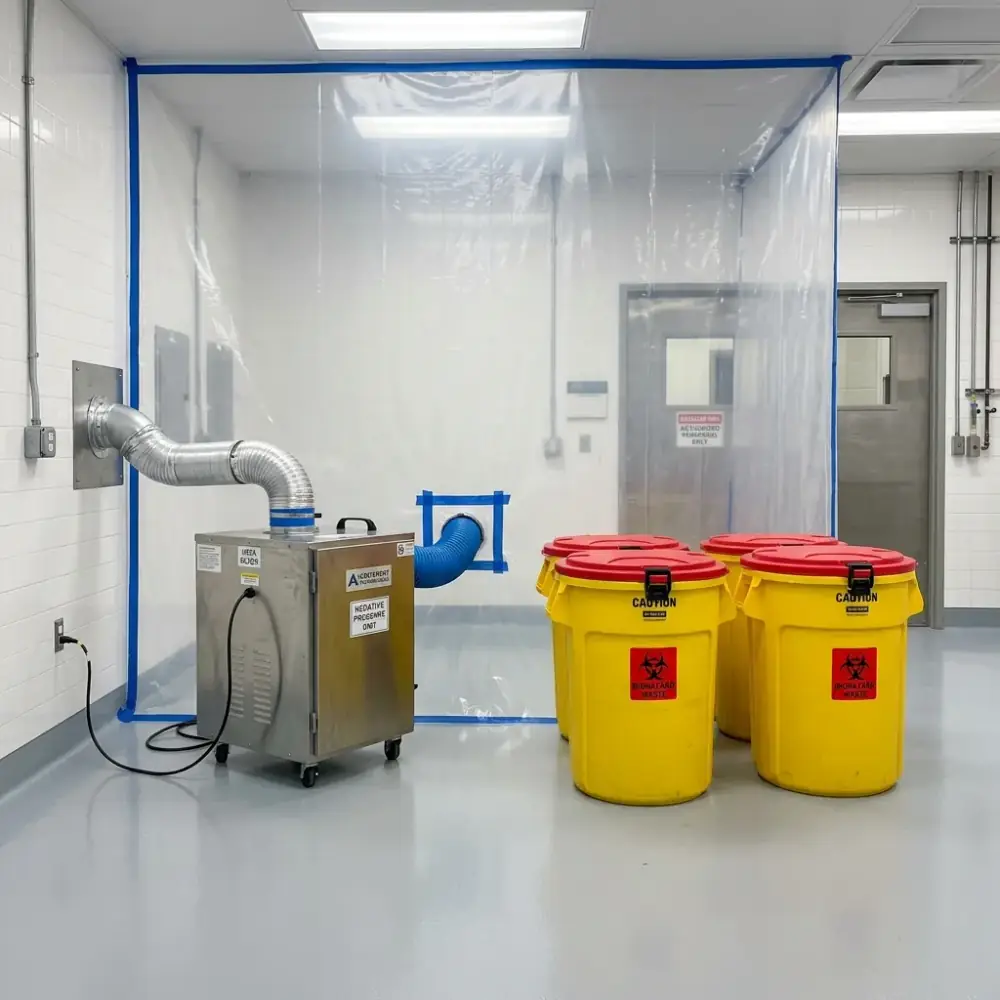
Disturbing compacted debris releases dormant mold spores, dried rodent feces, and severe dust into the breathable air. For your respiratory safety, occupants must relocate while technicians work in full protective gear. We seal off the active work zones to prevent cross-contamination into the rest of the home.
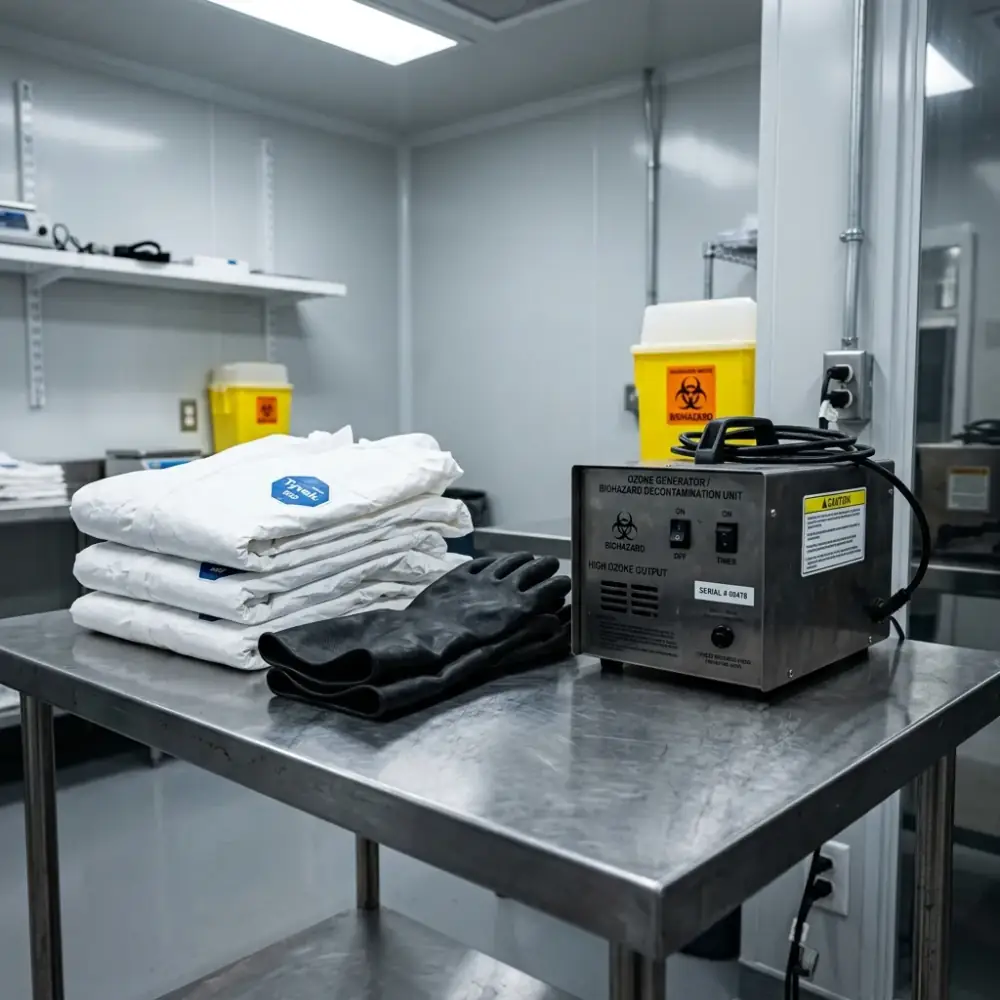
Decomposition gases embed themselves deeply into paint, upholstery, and HVAC ductwork within a few days. Masking agents only hide the smell temporarily. Permanent neutralization requires physically removing the source material, sealing affected joists, and running industrial hydroxyl generators to destroy the airborne odor molecules completely.
Remediators focus strictly on removing the danger by cutting away contaminated drywall, pulling up ruined carpets, and sanitizing the subfloor. Once the area tests completely negative for biological presence, a separate general contractor must handle the cosmetic rebuilding, drywall patching, and installation of new flooring.
Black water from sewer lines introduces aggressive bacteria into your living space immediately upon contact. Fast extraction is critical to prevent pathogens from spreading up the drywall through capillary action. Crews typically mobilize within hours, focusing first on containing the spill and setting up negative air pressure.
What Families Say About Our Discretion in Waverly
"Animal hoarding left the entire property unlivable due to extreme ammonia levels from waste. The crew worked through terrible conditions with respirators, stripping the house down to the studs and sealing the wood to permanently block the smell."
"Returning home after my brother's accident was unbearable until the biohazard team finished their work. They meticulously cleaned the tile grout, safely disposed of the contaminated furniture, and left the space looking exactly as it did before the tragedy."
"We tried cleaning the blood spill ourselves using bleach, which only smeared the hazard further into the wood grain. The technicians explained the danger of bloodborne pathogens, isolated the room, and used proper enzymatic cleaners to dissolve the proteins."
Secure Your Waverly Property Today
Delaying cleanup allows microscopic pathogens to embed deeper into the structural framework. Call immediately to start the containment and remediation process.
Call 877-390-0072