Specialized Biohazard Remediation in Fleming
Fleming, MO Biological Remediation Specialists
Decomposition leaves behind volatile organic compounds that embed themselves deep into the structural framing of your property. Attempting to mask these odors with sprays only prolongs the exposure to dangerous bacteria throughout Fleming and surrounding communities.
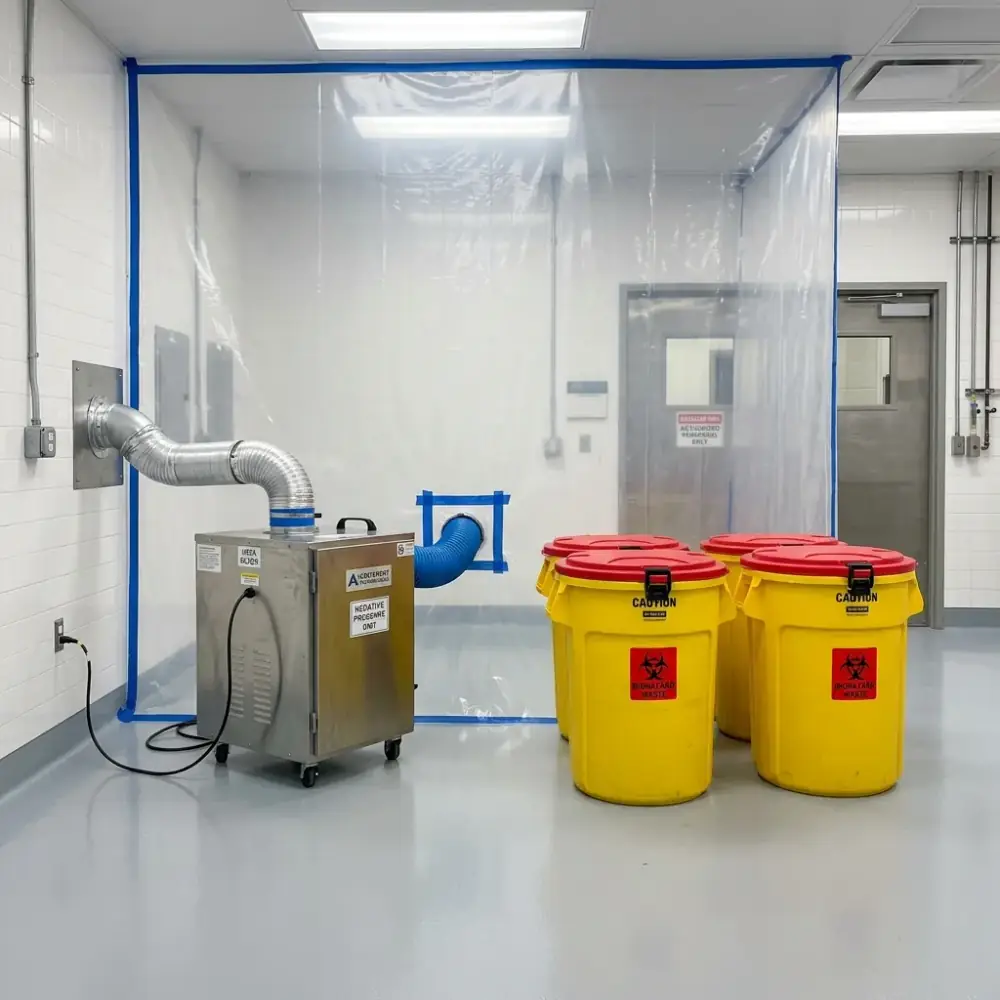
Rapid response is critical across Fleming to prevent dangerous pathogens from penetrating deeply into structural subflooring during severe emergencies. The remediation process begins with an exhaustive inspection to track the exact spread of biological fluids. We then cut away the compromised drywall and safely transport the materials to a licensed incineration facility across Missouri.
We deploy discrete field teams across Fleming, Ray County, and surrounding Missouri areas to restore your peace of mind.
Blood & Trauma
Complete extraction of bodily fluids and crime scene remediation in Fleming.
Hoarding & Odors
Disposal of extreme accumulation and molecular odor neutralization.
Trusted Bio Hazard Removal Across Fleming
Traumatic events leave families overwhelmed, and dealing with the physical aftermath only deepens the emotional toll. Strangers arriving in loudly marked vans can attract unwanted attention from neighbors at the worst possible moment. We prioritize absolute discretion across Fleming, arriving in unmarked vehicles and handling the extraction process quietly so you can focus on healing rather than answering uncomfortable questions.
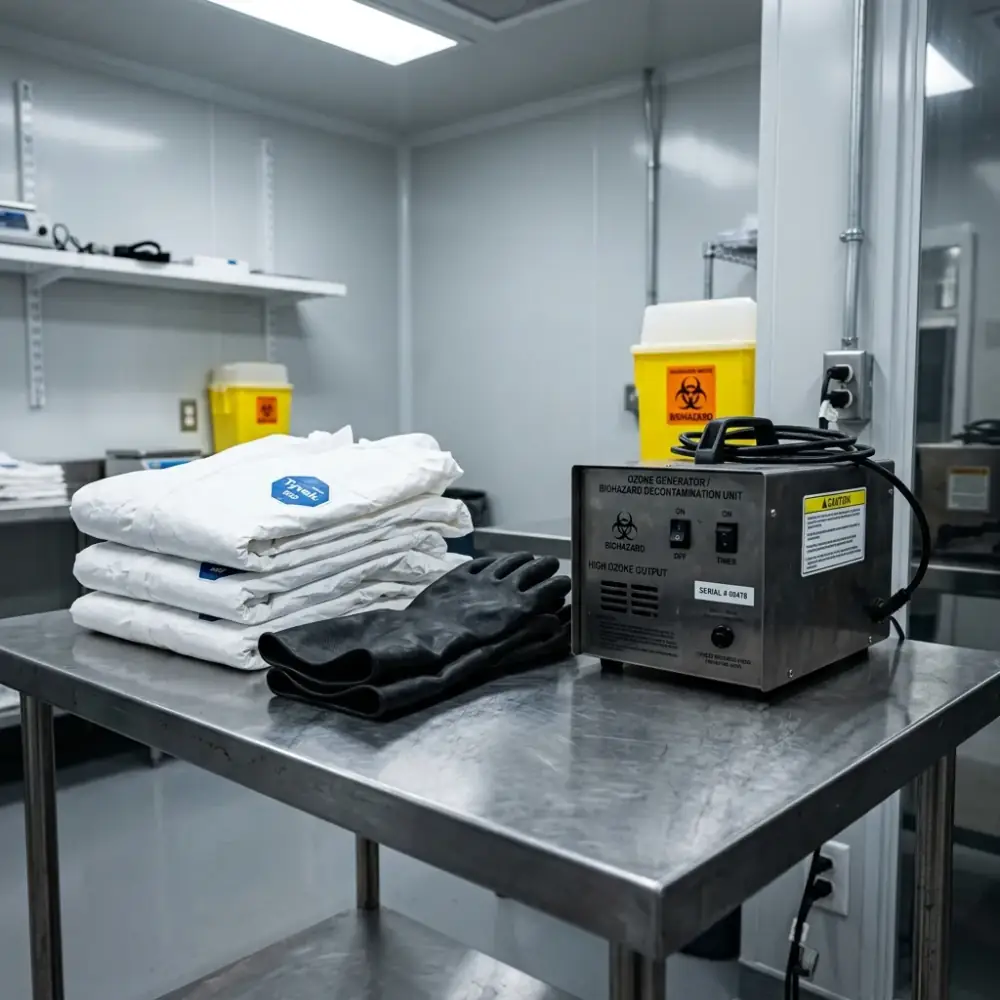
Odor control often proves to be the most persistent challenge following a severe incident. Scented sprays and household aerosols merely mask decomposition gases that have already embedded themselves into the structural wood framing. Using advanced hydroxyl generators and ozone treatments, we break apart the volatile organic compounds at a molecular level, guaranteeing the smell is permanently eliminated.
Service Zip Codes in Fleming
Frequently Asked Questions About Bio Hazard Removal in Fleming, MO
Isolate the affected room immediately by closing all doors and keeping pets far away from the area. Avoid touching any fluids, stepping in the spill, or attempting to blot the stain with towels. Do not run the HVAC system, as this circulates potentially infectious airborne particles.
Decomposition gases embed themselves deeply into paint, upholstery, and HVAC ductwork within a few days. Masking agents only hide the smell temporarily. Permanent neutralization requires physically removing the source material, sealing affected joists, and running industrial hydroxyl generators to destroy the airborne odor molecules completely.
Remediators focus strictly on removing the danger by cutting away contaminated drywall, pulling up ruined carpets, and sanitizing the subfloor. Once the area tests completely negative for biological presence, a separate general contractor must handle the cosmetic rebuilding, drywall patching, and installation of new flooring.
Items saturated with biological fluids cannot be legally thrown in a standard municipal dumpster. Biohazardous waste must be sealed in heavy-duty, clearly marked red bags and rigid containers. Licensed transport vehicles then carry these materials to an approved incineration facility for final, safe destruction.
Visual inspections fail to detect microscopic biological remnants left behind in grout lines or wood grain. Adenosine Triphosphate (ATP) testing measures the exact level of cellular activity remaining on a surface. This scientific verification proves the room is hospital-grade sterile before we allow you to re-enter.
What Families Say About Our Discretion in Fleming
"Years of accumulated trash hid severe rodent infestations and rotting floorboards in my aunt's house. This team shoveled out the debris in hazmat suits, disposed of the biohazards legally, and scrubbed the concrete foundation clean."
"Animal hoarding left the entire property unlivable due to extreme ammonia levels from waste. The crew worked through terrible conditions with respirators, stripping the house down to the studs and sealing the wood to permanently block the smell."
"We tried cleaning the blood spill ourselves using bleach, which only smeared the hazard further into the wood grain. The technicians explained the danger of bloodborne pathogens, isolated the room, and used proper enzymatic cleaners to dissolve the proteins."
Secure Your Fleming Property Today
Delaying cleanup allows microscopic pathogens to embed deeper into the structural framework. Call immediately to start the containment and remediation process.
Call 877-390-0072